Be ready

A city where people and organisations are prepared for emergencies
Direction 4
Direction 4

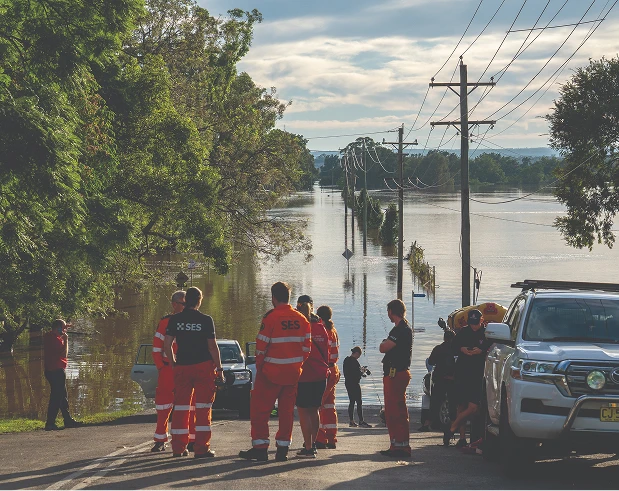
Sydneysiders have experienced bushfires, flood and storms in the past 5 years. People are becoming more aware of the importance of resilience and know they need to be ready for future shock events.

Australian Red Cross, local councils and state agencies are running a range of campaigns to raise emergency and disaster preparedness. However, more work is needed to embed emergency preparedness in the daily lives of people living in Great Sydney.

Prepared for
Emergencies

Preparedness

Sydney-siders have experienced bushfires, floods and storms in the past 5 years. People are becoming more aware of the importance of resilience and know they need to be ready for future shock events.

Volunteering

Strengthening skills and connections that can support people in times of crisis. The number of formal volunteers is declining and there are barriers to participation. People are time poor and are looking to contribute in different ways

Communication

Effective communication is essential during a crisis. Ensuring people know how and where to get information in an emergency is a key enabler of individual and community preparedness.

More needs to be done to embed emergency preparedness in the daily lives of people living in Greater Sydney.

  • 21 Embed dignity principles in leadership and engagement
  • 22 Research community preparedness and support coordinated campaigns
  • 23 Improve emergency awareness in apartment buildings
  • 24 Coordinate and encourage volunteering
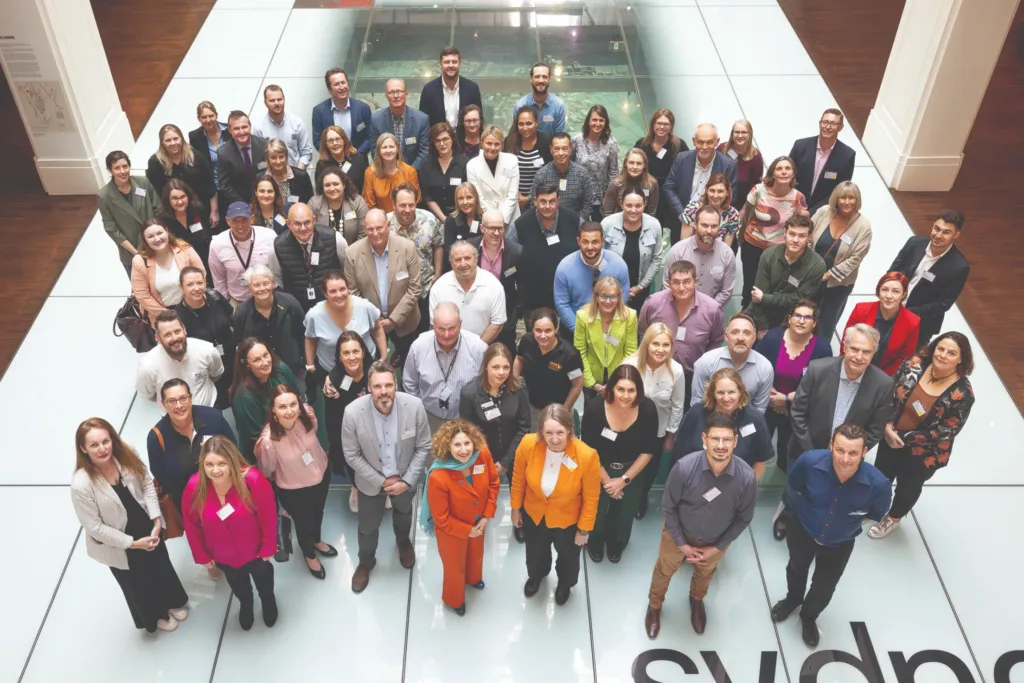
  • 25 Collaborate to be better prepared for emergencies
Action 21

Embed person-centred emergency planning

Shocks & stresses

Heatwaves
Flooding

Health services

Mental health

Social isolation

Chronic health conditions

Resilience challenge

Some people are more at risk in an emergency situation and need extra preparation and support to make sure they are safe.

State disaster mitigation plan alignment

  • Community awareness and preparedness
  • Social infrastructure and cohesion

Resilience goals

Emergency plans are developed with people with disability and other people at risk in shock events.

State and local emergency planning frameworks have a coordinated, person-centred and inclusive approach that responds to people’s needs.

Local emergency plans incorporate the needs and experiences of people with disability.

Governance

Sydney was among the first cities in the world to develop a comprehensive resilience strategy and is now among the first to embark on a second-generation strategy, reaffirming its leadership in advancing urban resilience.

Connect for Strength – First Nations

First Nations people have experienced 237 years of consecutive shock events starting with colonisation in 1788. The Australian Human Rights Commission recognises self-determination for Aboriginal and Torres Strait Islander communities in alignment with the UN declaration of the rights of Indigenous people.

CASE STUDY

EmergencyRedi Week

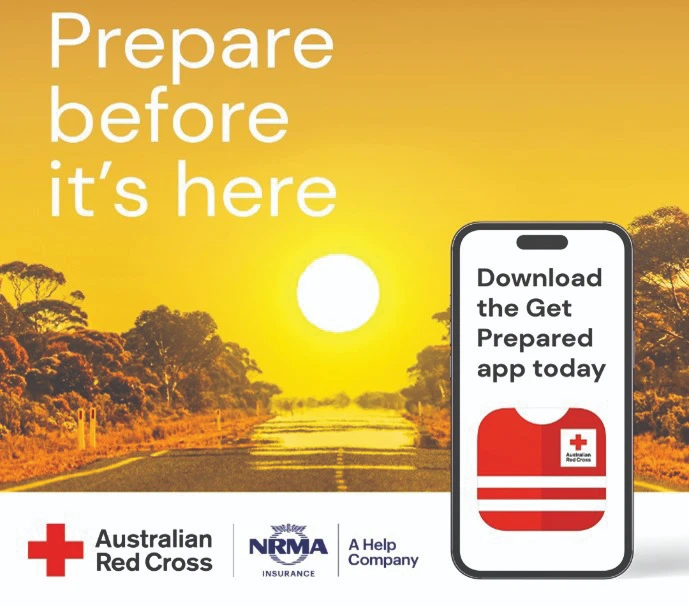
Despite the increasing prevalence and intensity of extreme weather events, the Australian Red Cross reports that only one in three Australian households have discussed practical emergency plans with their children and even fewer (only 27%) have talked about how to mentally prepare for disasters.

Action 22

Research community preparedness and support coordinated campaigns

Shocks & stresses

Heatwaves
Bushfires
Flooding
Storms

Low trust

Fragmented governance

Resilience challenge

More residents of Sydney need to be prepared for future shock events.

State disaster mitigation plan alignment

  • Community awareness and preparedness

Resilience goals

More people living in Greater Sydney have a household emergency plan that meets their individual needs.

State government, emergency response agencies and organisations, and local councils work together to deliver emergency preparedness campaigns.

Councils have access to consistent, effective, and inclusive communication resources and research to support local initiatives to prepare communities.

Governance

Sydney was among the first cities in the world to develop a comprehensive resilience strategy and is now among the first to embark on a second-generation strategy, reaffirming its leadership in advancing urban resilience.

Connect for Strength – First Nations

First Nations people have experienced 237 years of consecutive shock events starting with colonisation in 1788. The Australian Human Rights Commission recognises self-determination for Aboriginal and Torres Strait Islander communities in alignment with the UN declaration of the rights of Indigenous people.

CASE STUDY

EmergencyRedi Week

Despite the increasing prevalence and intensity of extreme weather events, the Australian Red Cross reports that only one in three Australian households have discussed practical emergency plans with their children and even fewer (only 27%) have talked about how to mentally prepare for disasters.

Action 23

Improve emergency awareness in apartment buildings

Shocks & stresses

Heatwaves

Energy

Shelter

Mental health

Social isolation

Reducing social cohesion

Resilience challenge

There are low levels of emergency awareness in apartment communities.

State disaster mitigation plan alignment

  • Community awareness and preparedness
  • Social infrastructure and cohesion

Resilience goals

Apartment dwellers have emergency preparedness plans and the skills and knowledge to respond to shock events.

Owners corporations, working with their strata and building managers, cost-effectively improve the resilience of their dwellings.

State and local government policy, planning and practices improve the wellbeing, social connectedness and emergency preparedness of apartment residents.

Governance

Sydney was among the first cities in the world to develop a comprehensive resilience strategy and is now among the first to embark on a second-generation strategy, reaffirming its leadership in advancing urban resilience.

Connect for Strength – First Nations

First Nations people have experienced 237 years of consecutive shock events starting with colonisation in 1788. The Australian Human Rights Commission recognises self-determination for Aboriginal and Torres Strait Islander communities in alignment with the UN declaration of the rights of Indigenous people.

CASE STUDY

EmergencyRedi Week

Despite the increasing prevalence and intensity of extreme weather events, the Australian Red Cross reports that only one in three Australian households have discussed practical emergency plans with their children and even fewer (only 27%) have talked about how to mentally prepare for disasters.

Action 24

Coordinate and encourage volunteering

Shocks & stresses

Heatwaves
Bushfires
Flooding
Storms

Coastal hazards

Reducing social cohesion

Resilience challenge

National data indicates volunteering has declined and that it is changing. New processes are needed to harness community skills, capabilities and local knowledge of informal volunteers to supplement emergency services.

State disaster mitigation plan alignment

  • Community awareness and preparedness
  • Social infrastructure and cohesion
  • Enabler – capacity and capability

Resilience goals

Volunteering continues to be valued across society. People have positive experiences volunteering in contexts that work for them.

Volunteering training is accredited. Volunteer skills are recognised.

There is a regional database of volunteer expertise shared between state and local government. This improves place-based volunteer capacity to respond during shock events.

Governance

Sydney was among the first cities in the world to develop a comprehensive resilience strategy and is now among the first to embark on a second-generation strategy, reaffirming its leadership in advancing urban resilience.

Connect for Strength – First Nations

First Nations people have experienced 237 years of consecutive shock events starting with colonisation in 1788. The Australian Human Rights Commission recognises self-determination for Aboriginal and Torres Strait Islander communities in alignment with the UN declaration of the rights of Indigenous people.

CASE STUDY

EmergencyRedi Week

Despite the increasing prevalence and intensity of extreme weather events, the Australian Red Cross reports that only one in three Australian households have discussed practical emergency plans with their children and even fewer (only 27%) have talked about how to mentally prepare for disasters.

Action 25

Collaborate to be better prepared for emergencies
Shocks & stresses

Cyberattack
Heatwaves
Flooding
Storms
Bushfires
Fragmented governance

Resilience challenge

In an emergency it is critical people understand their roles, communicate consistently and pool and share available resources. This needs to be done in a collaborative way at a regional level before events occur.

State disaster mitigation plan alignment

  • Emergency infrastructure
  • Community awareness and preparedness
  • Enabler – capacity and capability

Resilience goals

Councils are clear on their roles and effectively contribute in emergency scenarios across Greater Sydney.

Communications planning is in place so that councils can support each other in the event of major communication service failure.

Local governments have established inclusive communication channels to disseminate crucial information and warnings.

Communities are prepared and know how and where to access reliable information and support in emergency events.

Governance

Sydney was among the first cities in the world to develop a comprehensive resilience strategy and is now among the first to embark on a second-generation strategy, reaffirming its leadership in advancing urban resilience.

Connect for Strength – First Nations

First Nations people have experienced 237 years of consecutive shock events starting with colonisation in 1788. The Australian Human Rights Commission recognises self-determination for Aboriginal and Torres Strait Islander communities in alignment with the UN declaration of the rights of Indigenous people.

CASE STUDY

EmergencyRedi Week

Despite the increasing prevalence and intensity of extreme weather events, the Australian Red Cross reports that only one in three Australian households have discussed practical emergency plans with their children and even fewer (only 27%) have talked about how to mentally prepare for disasters.