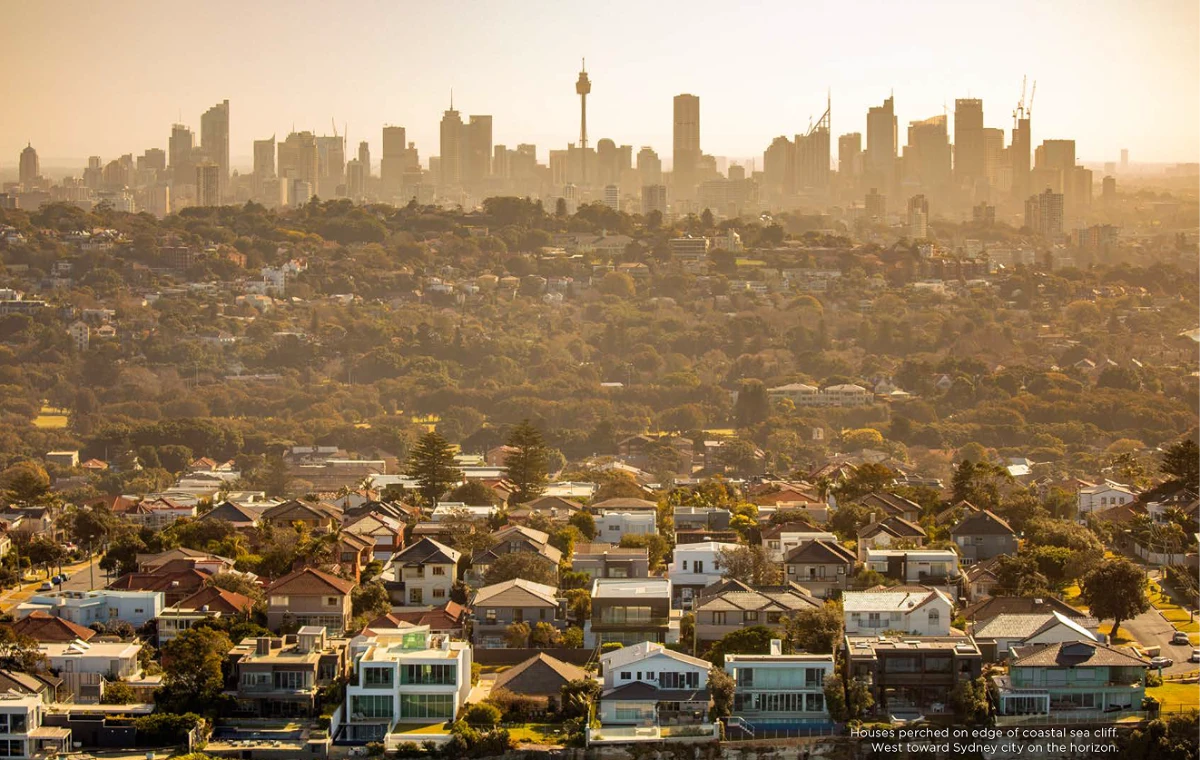
Heat is a significant and growing risk for cities around the world, and Sydney is no exception. Extreme heat is Australia’s deadliest weather related hazard, killing more people than fire, floods and storms combined. Between 2012 – 2022 extreme heat was responsible for 70 – 84% of weather-related hospitalisations, and these figures are expected to increase with climate change. Beyond human health, heat has a range of complex and cascading impacts on urban and environmental systems including
- Infrastructure: Reductions in energy transmission capacity, failures of signalling equipment.
- Economy: Lost productivity, business disruption (network connectivity, e-payment) and stock losses (agriculture, cold storage, transport, and logistics).
- Community: Increased energy and medical bills, lost work, social and mental health impacts, exacerbation of medical conditions.
- Environment: Canopy die-back, heat-related deaths of native fauna, water and air quality losses
Despite these significant and growing impacts, until the establishment of the Greater Sydney Heat Taskforce, our region lacked the coordinated arrangements needed to effectively measure, mitigate and manage the consequences of rising heat risk. ure, mitigate and manage the consequences of rising heat risk.
The Greater Sydney Heat Taskforce was established in 2022 and is facilitated by Western Sydney Regional Organisations of Councils (WSROC) and Resilient Sydney. This collaboration of organisations and businesses across health, planning and design, infrastructure, emergency management and the community sectors helps drive coordinated action towards long-term systemic heat resilience for Greater Sydney. The Taskforce supported development of the Greater Sydney Heat Smart City Plan, and many of its members are instrumental in driving its recommended actions forward to see its vision achieved. Some of the heat risk mitigation projects already delivered to support Greater Sydney heat resilience are listed below.
A funding contribution of $1.3m under the joint Australian Government–NSW Government National Partnership Agreement on Disaster Risk Reduction supported WSROC and Resilient Sydney to establish the Taskforce, co-design the Greater Sydney Heat Smart City Plan with this forum and deliver the projects below.
Heat Smart City Plan
The Greater Sydney Heat Smart City Plan was prepared through a collaborative process involving organisations across health, planning and design, infrastructure, emergency management and community and corporate sectors.
The Plan outlines the spectrum of heat risk facing our region, and maps our 40 actions that Sydney needs to implement to mitigate rising impacts of heat and reduce associated life safety, infrastructure, economic and environmental risks from now out to 2030.
The Greater Sydney Heat Smart City Plan is available in three PDF formats:
Best for on-screen reading and smooth scrolling.
2. Double-Page Spread Layout (PDF)
Mirrors the hard-copy printed version, with facing pages displayed side-by-side.
A concise overview of the Plan’s key directions and actions.
Cool Suburbs NSW
The Cool Suburbs tool is an evidence-based resilience rating and assessment tool for developers and planners to understand how a development is going to manage heat. The tool was co-designed by WSROC and Resilient Sydney with industry and government stakeholders, and was informed by a science panel from universities across Australia. Practitioners and planning assessment teams can use the tool to benchmark developments and test a range of new design approaches.
Heatwave Management Guide
Most of Greater Sydney’s 33 councils have assessed climate-related risks, including heatwaves. As local councils begin to develop heatwave management strategies, they face significant challenges including information gaps, competing priorities for attention and resources, and unclear responsibilities in resilience, adaptation and disaster preparedness in general, and heatwave management in particular.
Many have adopted strategic plans to outline how they will approach climate-related risks, and actions are being implemented, including actions to address heatwave risks. Councils’ initial focus has been on the built environment, with measures to reduce heat exposure.
The Heatwave Management Guide was developed to provide local governments with guidance to develop their heat risk management practices across:
- Risk assessment
- Strategic planning
- Council operations
- Cool places
- Community resilience
- Communications
- Emergency management