The Resilient Sydney Strategy strengthens communities, infrastructure, sustainability, preparedness, and long-term resilience against future challenges.
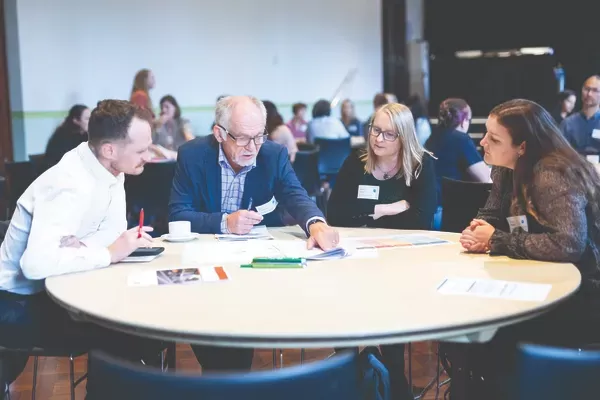
The Resilient Sydney Strategy 2025-2030 maps how Greater Sydney’s councils, State government, communities, businesses and NGOs can work together to strengthen our city’s resilience to shocks and stresses. Developed with over 200 organisations and 2000 individuals, it sets out actions for the next five years.
The decisions we make now will have serious consequences for generations to come, an expectation of stewardship that was palpable in the youth workshops.
In the words of one Aboriginal Elder, “We want to be remembered as good ancestors.”
For each direction, we describe the challenges, why we need to act, and actions drawn from community engagement and the risk assessment.
For each action, we describe options to focus effort according to local context and current priorities:
Resilience challenges
Resilience goals
Action pathways
Priority shocks and stresses addressed by the action
Alignment with the state disaster mitigation plan
Case studies of existing initiatives demonstrating action pathways
Shocks & Stresses facing Greater Sydney
Shocks
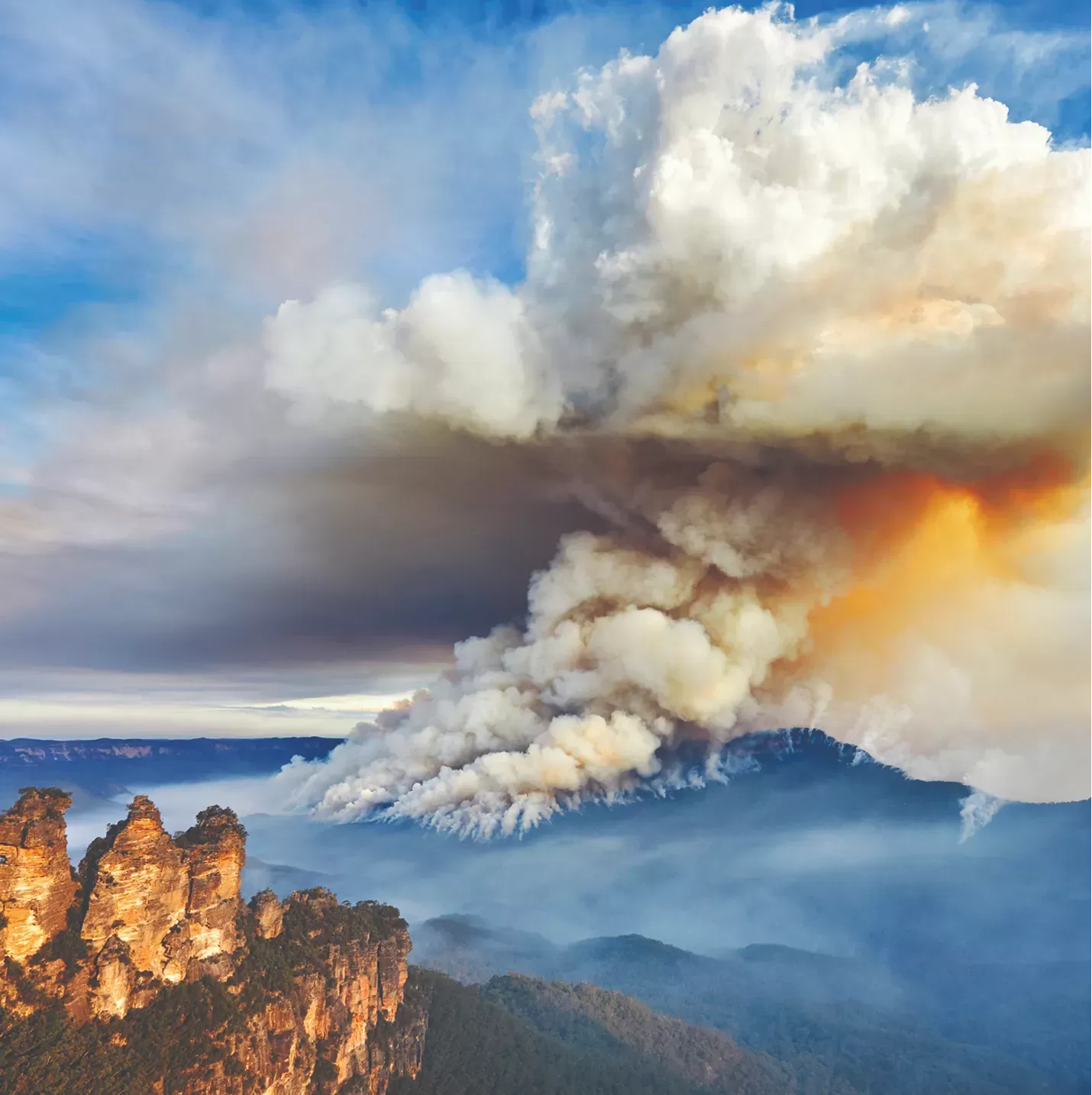
Shocks are sudden events that disrupt a city. Shocks include natural hazards such as heatwaves and floods, international crises such as economic crisis or disease pandemic, and critical infrastructure failures. When planning for city resilience, it is important to consider the cumulative effects from multiple shock events. Resilient Sydney undertook a comprehensive resilience risk assessment alongside community engagement to identify the priority shocks and stresses facing Sydney. The detailed outcomes are available in the synthesis report and community engagement reports.
International crisis
Economic Crisis
War & Conflicts
Cyberattack
Disease outbreak
Natural hazards
Bushfires
Heatwaves
Storms
Flooding
Coastal hazards
Critical infrastructure failure
Energy
Water
Transport
Waste
Digital networks
Shelter
Stresses
Stresses are ongoing challenges. They include unaffordable housing and cost of living pressures that weaken the ability of the city and communities to respond to and recover from shock events. It is important to consider how stresses increase the vulnerability of people, places and economies to shock events. To inform the strategy, Resilient Sydney identified top stresses through community engagement and a comprehensive resilience risk assessment.
Stress that increase vulnerability for individuals and communities relating to geography and demographics
Inequity
Health services
Housing
Transport
Education
Cost of living
Wellbeing
Mental health
Family violence
Chronic health conditions
Social insolation
& lack of community connections
Racism & vilification
Stresses that undermine the ability of the city to function affectively and manage increasing risk
Governance
Fragmented governance
Reducing social cohesion
Low trust
Environmental degradation
Disrupted supply chains
Top shocks affecting Greater Sydney
Click on the map to reveal information
North Western Sydney
Top Shock
Bushfire
Flooding
Digital network failure
Major power outage
Central Western Sydney
Top Shock
Heatwave
Economic crisis
Infrastructure or transport failure
Southern Sydney
Top Shock
Digital network failure
Severe Storm
Infrastructure or transport failure
Eastern Sydney
Top Shock
Infrastructure or transport failure
Digital network failure
Major power outage
South Western Sydney
Top Shock
Heatwave
Digital network failure
Infrastructure or transport failure
Northern Sydney
Top Shock
Major power outage
Digital network failure
Infrastructure or transport failure
Developing the strategy
Lorem ipsum dolor sit amet, consectetur adipisicing elit, sed do eiusmod tempor incididunt ut labore et dolore magna aliqua. Ut enim ad minim veniam, quis nostrud exercitation ullamco.